Collecting communities run on rules that outsiders cannot see. Value is set by scarcity, provenance and the willingness to part with something already owned.
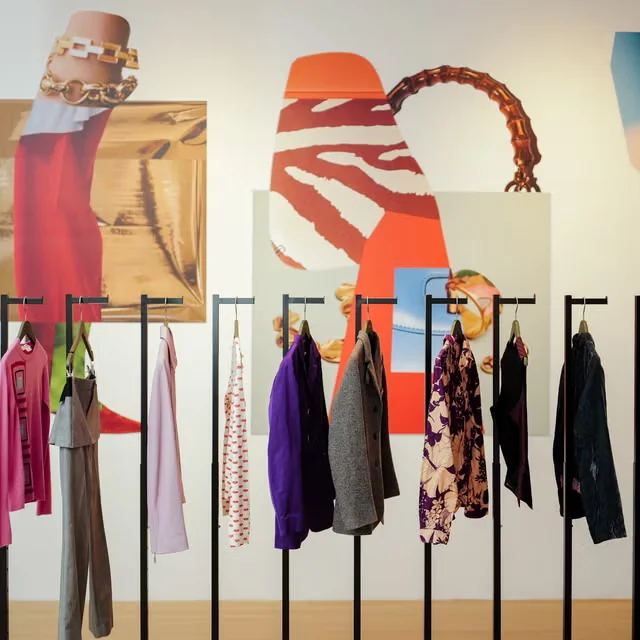
Last week, The RealReal toasted its new bookReal Style: Dressing With Intention & Expressing Yourself Through Stylewith a thought-provoking event in downtown New York. The secondhand retailer always draws a fun crowd of fashion designers, models, editors, stylists, and all-around creatives—essentially its most stylish customers. The evening’s festivities slotted into a busy week of after-work events, but this one was different. There was an unexpected twist discovered upon entry. The brand had curated racks of stellar vintage and secondhand fashion. Guests could pick any item they so pleased—but with a caveat. They had to leave one item of clothing that they were currently wearing behind.
No one was alerted beforehand because that would defeat the purpose. You were meant to think about these new items in the context of your own favorite items: this wasn’t a white elephant exchange, but a test of individual perceptions of value, desire, and, in some cases, desperation. I saw someone sneaking out in a sleeveless Prada dress over jeans and tall boots. (No judgment.) The “Take One, Leave One” experience, as described by the brand, involved “no purchases, no transactions, just the ancient ritual of exchange, reimagined as a social experiment challenging the psychology of consumerism.”
I arrived early and approached the task with hesitancy. Could I be bothered? Do I reallyneedany of this? But the racks werereallygood. Old Prada. Jil Sander. Dries Van Noten. Comme des Garçons. Even Romeo Gigli. Deciding what I was prepared to give away felt like a mind game. Sure, the sparkly Rachel Comey skirt fetches a higher dollar value than my J.Crew sweater, but I wear my sweater atleastonce a week, my go-to white button-down every two. And no one is touching my favorite Repetto Zizis.
As I walked around, the racks began to empty, guests pulling items on over their clothes or waiting in an increasingly long line for a fitting room. This was a particularly interesting experiment in a room populated by the fashion industry—better hope you weren’t wearing too good an outfit that day. But then I saw something that changed everything: a Colleen Allen fleece jacket, Victorian-inspired, fastened with hook-and-eye closures from her fall 2024 collection. It’s been a niche fashion It item ever since—and I had fallen victim.
In the end, it did come down to simple fashion math for me: I could buy another white shirt, while I was not getting my hands on that jacket anytime soon without some form of help—or a steep discount. And as I sit here writing this in my new fleece—after it was showered with compliments in the office—I can’t stop thinking about what I would give up for my own personal grails, after I quite literally took the shirt off my back.
A friend traded her earrings for a Celine cuff bracelet. Another, her fancy socks for Dries heels—kind of cheating, but oh well. I ended up giving up something still available to be repurchased. The skirt I was wearing, however, was old enough to classify as vintage, or at least the older side of secondhand, so there was no way I was finding that one again. Its value is much harder to quantify as it’s personal. As the brand’s new book says: “Don’t buy anything. Until you know what you want.”
Readers Also Read
The Art of Dressing for Fall in the City
Minimalist Midi Skirts Are Trending for Fall
The Ultimate Guide to Styling Boots for Fall
How to Master Layering Clothes This Fall

Ralph Lauren’s Polofest Was a Fashion Dream
This ’90s Legend Made Kim Kardashian’s Latest Look
Why Is Everyone Romanticizing the 2010s?
The Lasting Style Legacy ofMarie Antoinette
Fall’s Best Dresses Have Arrived
Julianne Moore’s Latest Mani Is So Witchy Good
Vibey Films to Watch After You Can See Everything
Our Favorite Rhode Skincare Products, Ranked